Le Corset: Learning to Stand Up Straight
Louis Clichy's watercolour animation Le Corset follows Christophe, an 11-year-old forced to stand up straight in an iron brace. On our invisible corsets, a father's unspoken love and the moment childhood ends.
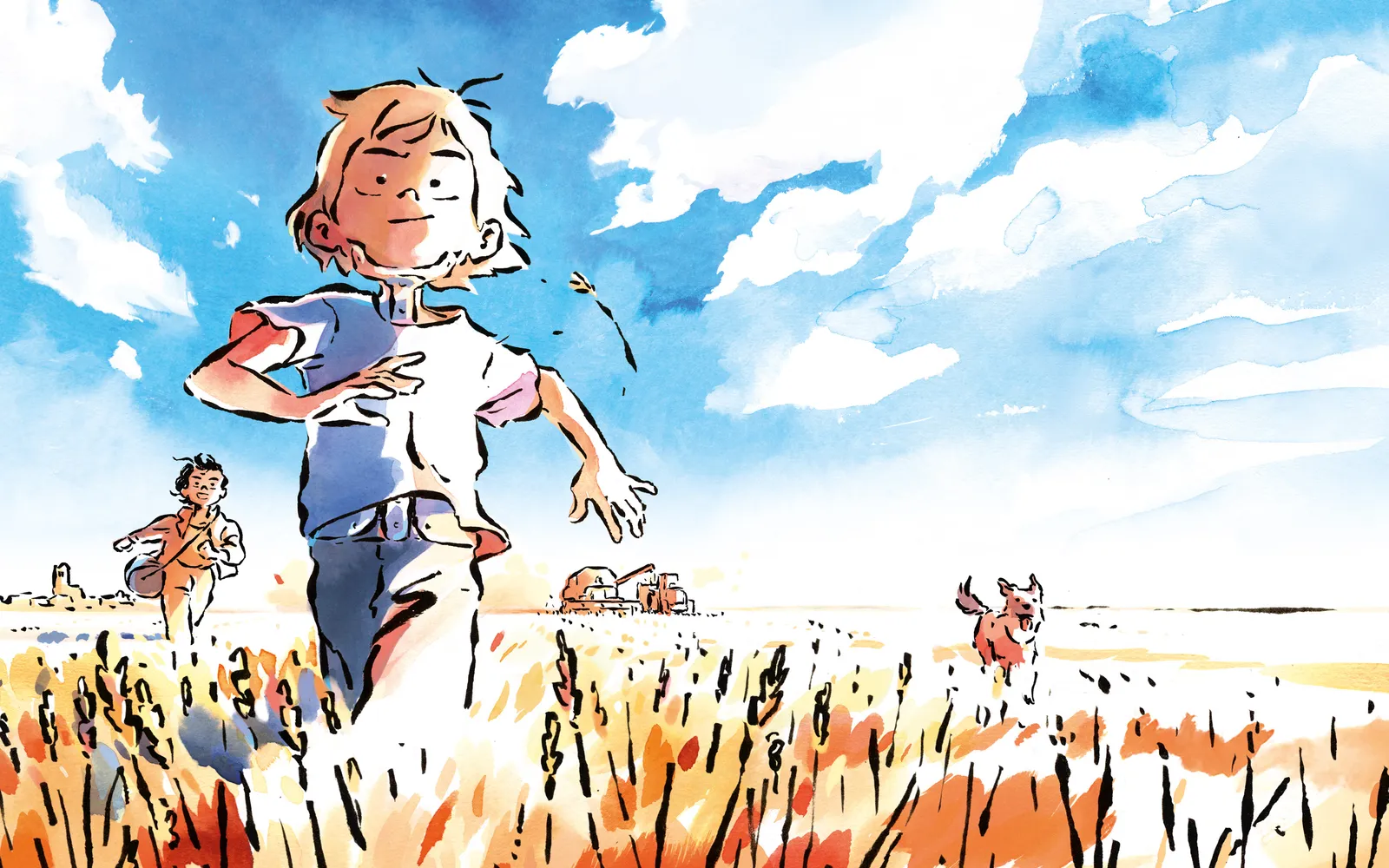
Some films end and you get up and leave. Others pin you to your seat while the credits roll. For me, Le Corset was the second kind.
I saw Le Corset at Filmekimi, Istanbul’s autumn film festival. I knew nothing about its story; I wasn’t even sure I’d be watching an animated film. When it started and a cartoon appeared on the screen, I grumbled to myself: “Am I really going to watch a cartoon now?” But the film flowed so well that I watched it without blinking.
On paper it is a very simple story: Christophe, an 11-year-old boy who lives on a farm in the French countryside. One day his body starts to lean to one side, and he falls over for no reason. So the doctor fits him with an iron brace “to make him stand up straight”.
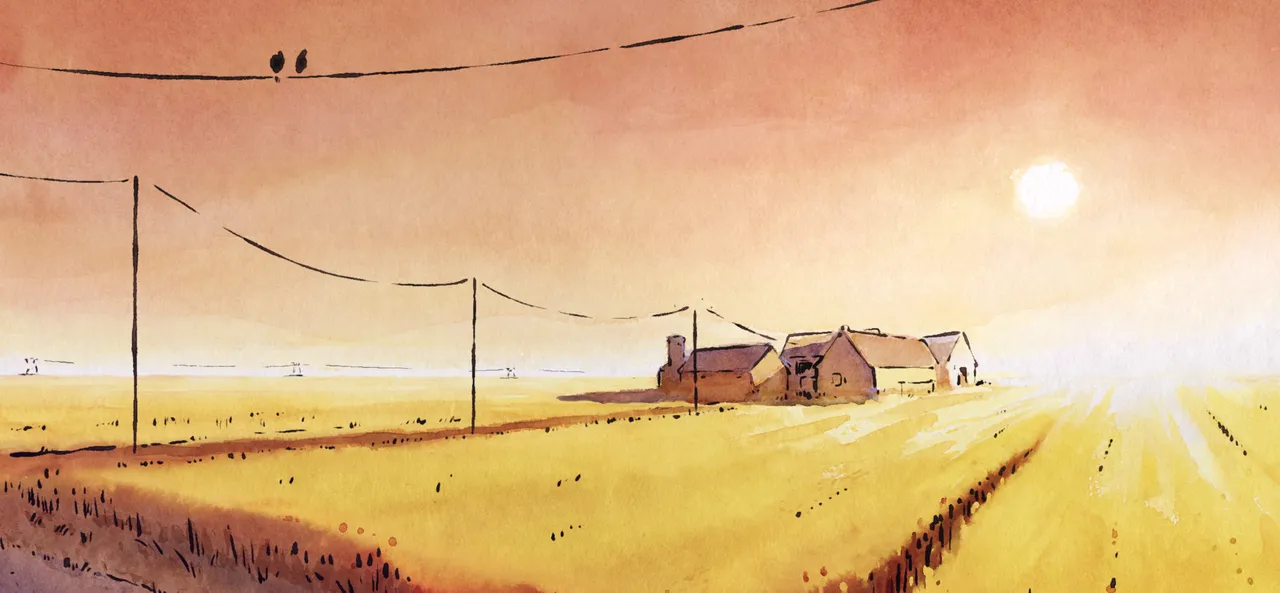
But as the film went on, I understood that this is not the story of a child’s spine. It is the story of something all of us live through in one way or another: being forced to become something you are not, knowing you are loved but never hearing it, and finding your own way through all of it.
We all have a corset
Christophe’s corset is made of iron. Ours are usually invisible.
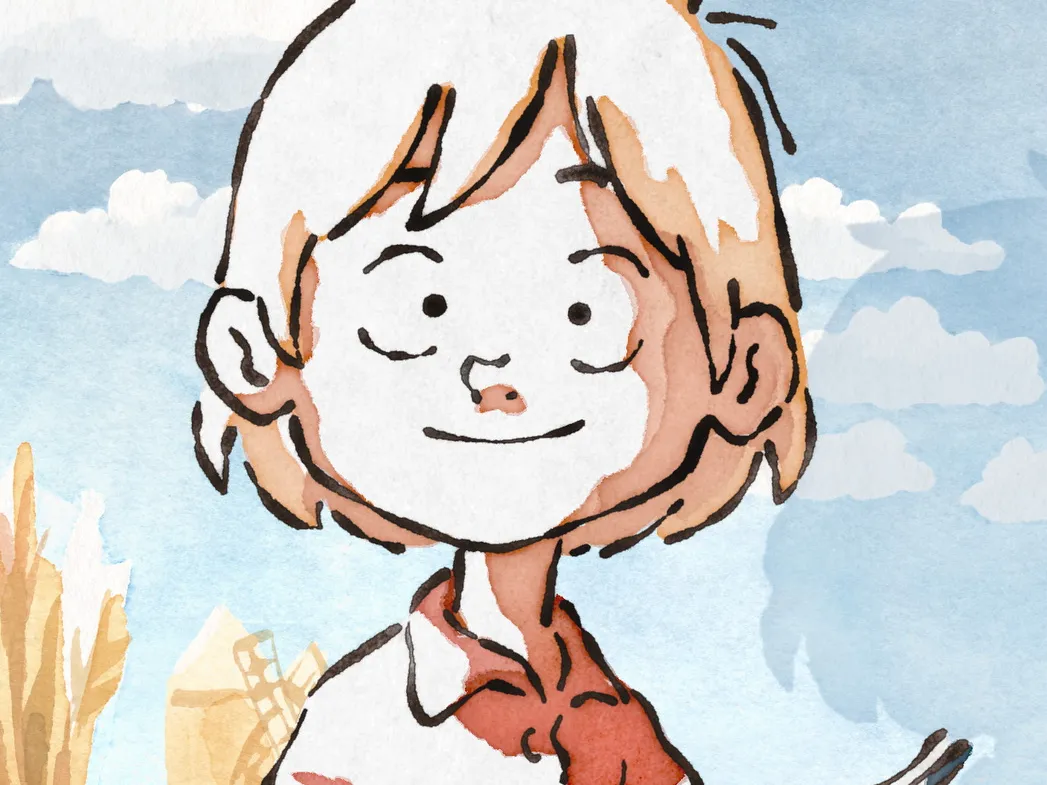
Sometimes it is a family’s expectation: “He should be like his father; he’ll take over the farm.” Sometimes it is the mould of a school or a community: “This is how you stand, this is how you talk, this is how you become a man.” And sometimes it is a corset we put on ourselves: never making mistakes, never breaking, never letting anyone down.
That is what I thought about most while watching. When Christophe leans, no one asks, “Why are you leaning? What’s happening to you?” Everyone just thinks about how to straighten him. I suppose life is often like that. When someone strays from their path, instead of trying to understand them, we rush to correct them.
And the most painful part: the corset really works. Christophe no longer falls. But not falling is not the same as being well.
Fathers and the things left unsaid
What gripped me most in the film was the relationship between father and son.
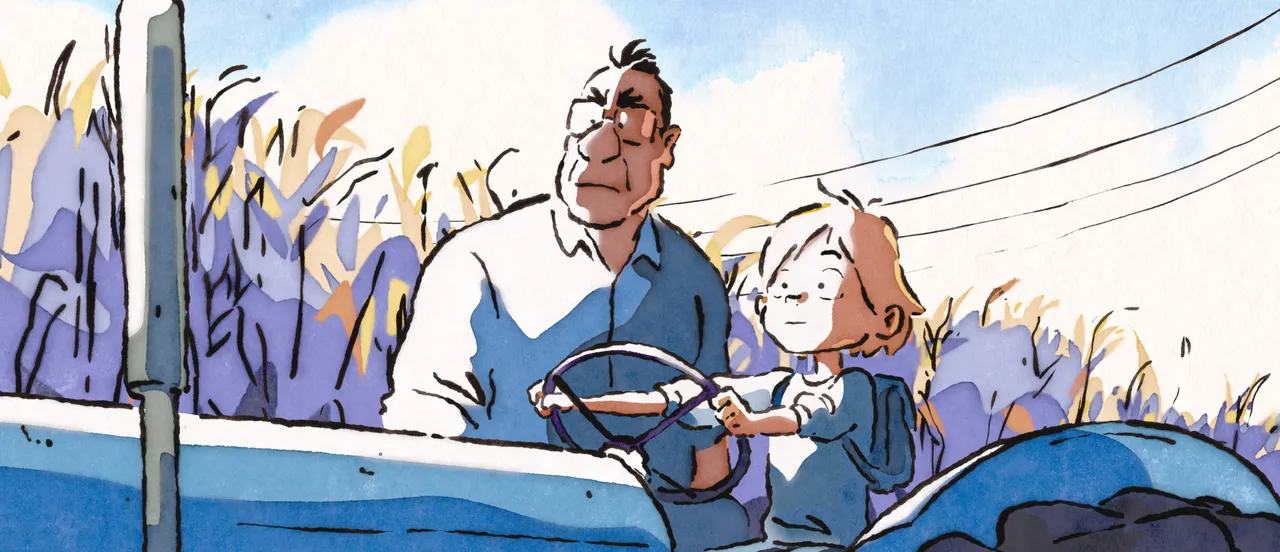
Christophe’s father is not a bad man. He is tough, quiet, someone who does not show his feelings. He loves his son, and we know it. But he never says so, not once. He shows his love sometimes with a present, sometimes with silence, sometimes with anger. Because he knows no other language.
This father felt very familiar to me. I think he feels familiar to most of us. Fathers who ask “Have you eaten?” instead of saying “I love you”. Fathers who nod instead of praising, who, when they are proud, tell other people but never tell you. They were raised that way, and so were their fathers.
The film does not blame this silence. It simply shows it, and as you watch, something seeps through you. The harder Christophe tries to keep up with his father, the more he falls. Perhaps his body is saying what his mouth cannot: “I’m not you, Dad. But see me anyway.”
When one door closes
With the corset, Christophe’s life on the farm comes to an end too. He cannot ride the tractor, he cannot help his father, and he no longer has a place in the family’s work. At first it looks like a loss.
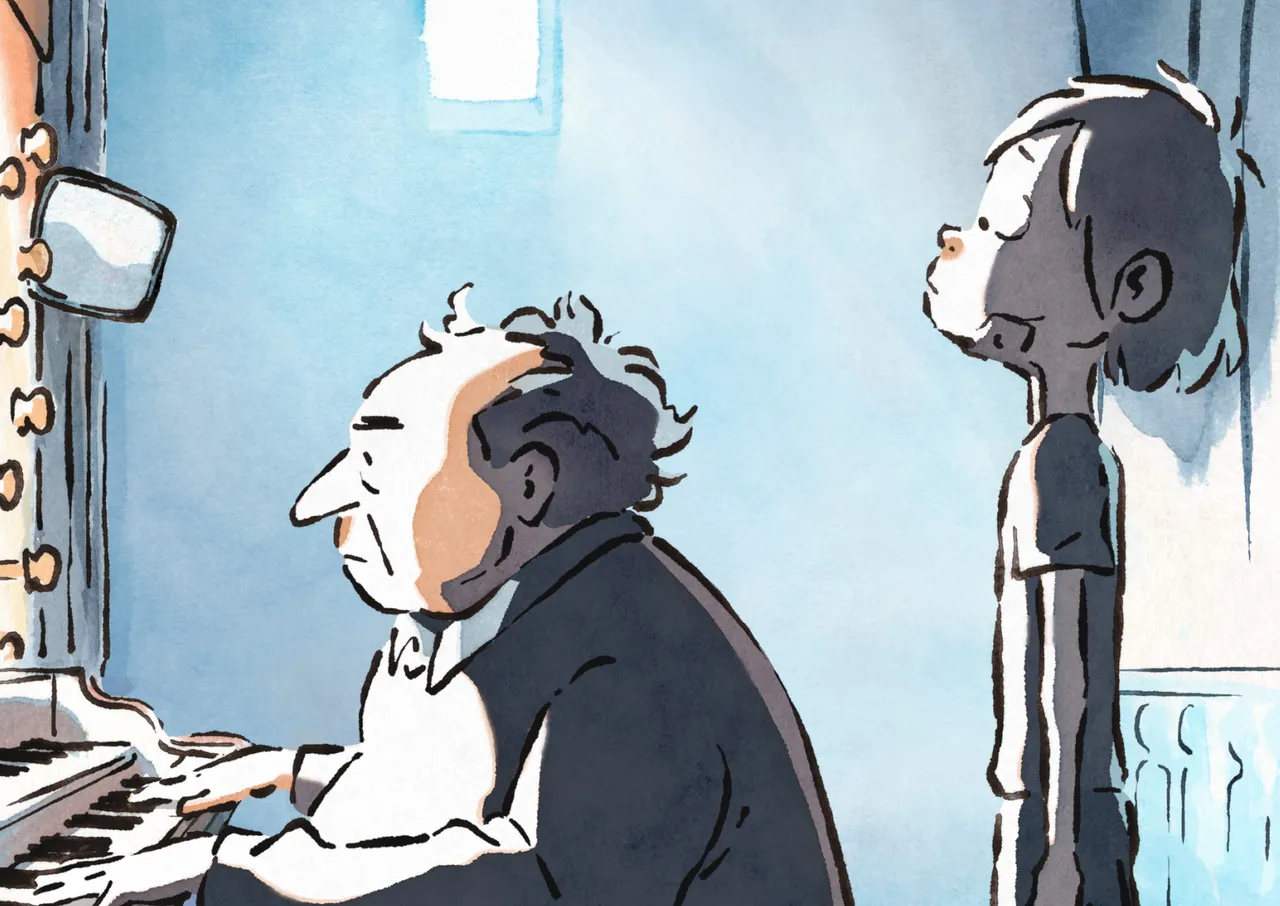
But then other doors open. He discovers music at the church organ. An organ takes the place of his father’s tractor, and for me that is one of the most beautiful images in the film. Both are big, noisy machines. But one is his father’s life, and the other is his own.
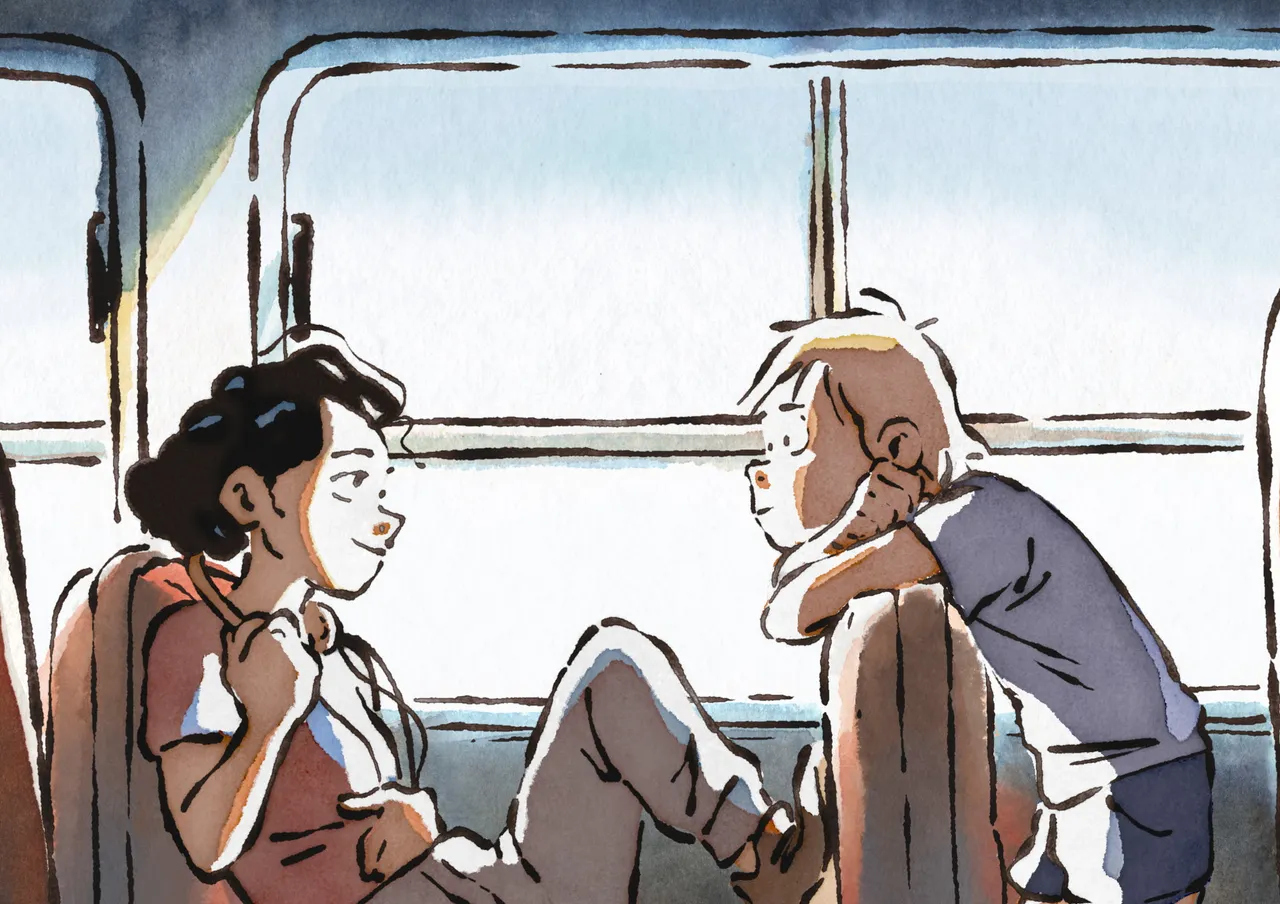
Then Clara comes into his life. A girl a little older than him, bold, not much bothered by rules. Following her, Christophe gets up to his first bits of mischief and feels free for the first time. In those scenes we do not see a boy in a brace, just a boy.
What I took from this is that sometimes the limits life puts on us push us down roads we would never have chosen on our own. And at the end of those roads we sometimes find out who we really are. That does not make the pain beautiful, but it gives it meaning.
The moment childhood ends
In everyone’s life there is a moment when childhood ends. Most of the time we do not notice it while it is happening. Only years later, looking back, do we understand: “That’s where something changed.”
Le Corset made me feel as if I were watching exactly that moment. Christophe’s world changes little by little. Not just his body but everything around him. The farm is not what it was, the family is not what it was, he is not what he was. An old tree cut down, people coming and going, days that will never come back.
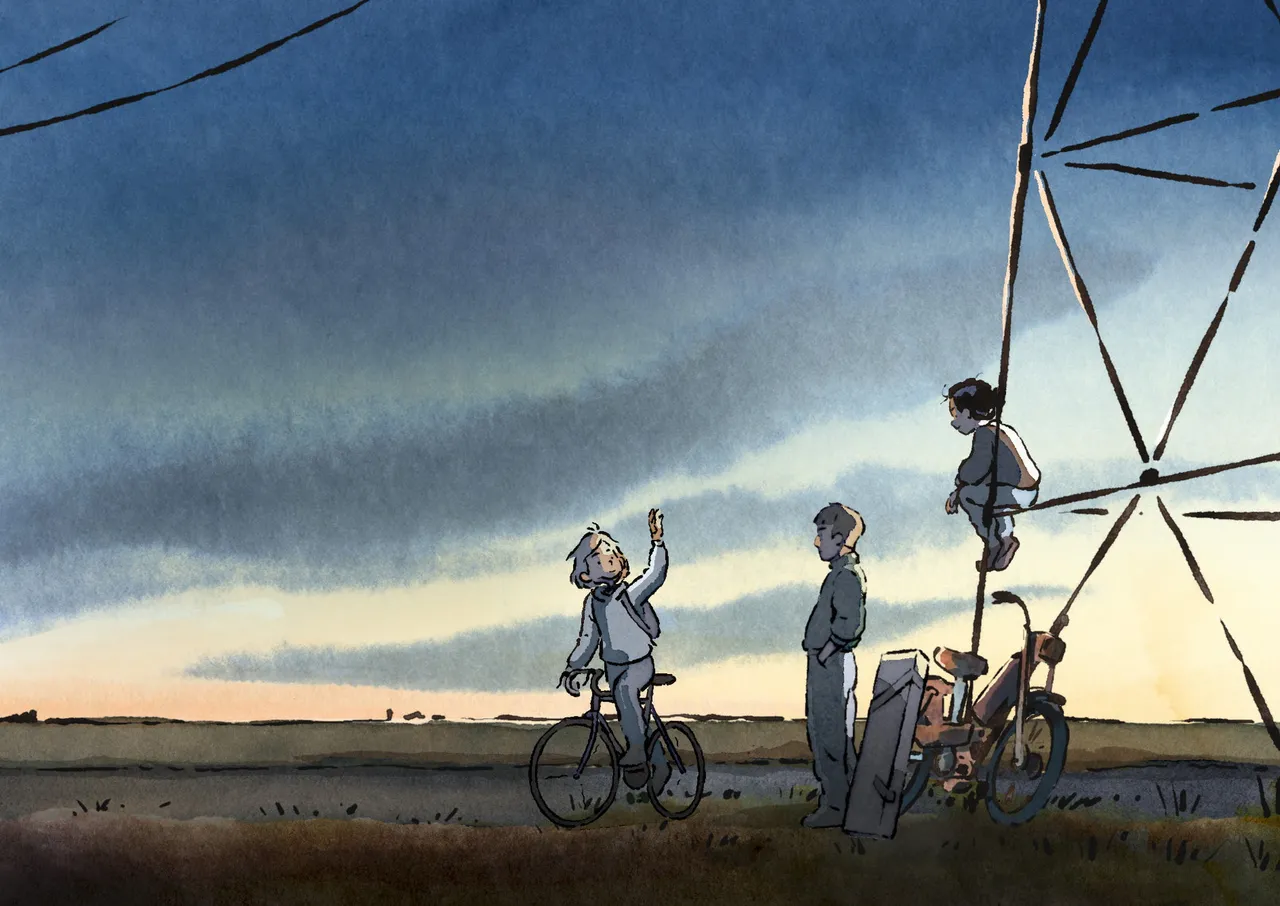
The beauty of the film is that it tells all this without trying to make you cry. It makes you smile and puts a lump in your throat at the same time. In one scene you laugh at Christophe’s clumsiness; in the next you are saddened by his loneliness. Just like a real childhood: funny, painful, beautiful and gone for good.
The watercolour images strengthen that feeling. The film looks as if it has leapt out of a memory book. A little blurry, a little warm, its edges slightly smudged. Just like our memories.
What the film left me with
The film reminded me that standing up straight is not always the same as standing right. Sometimes you need to lean, sometimes to fall, sometimes to stray from the path others have drawn for you. And you must not leave it too late to tell the people you love.
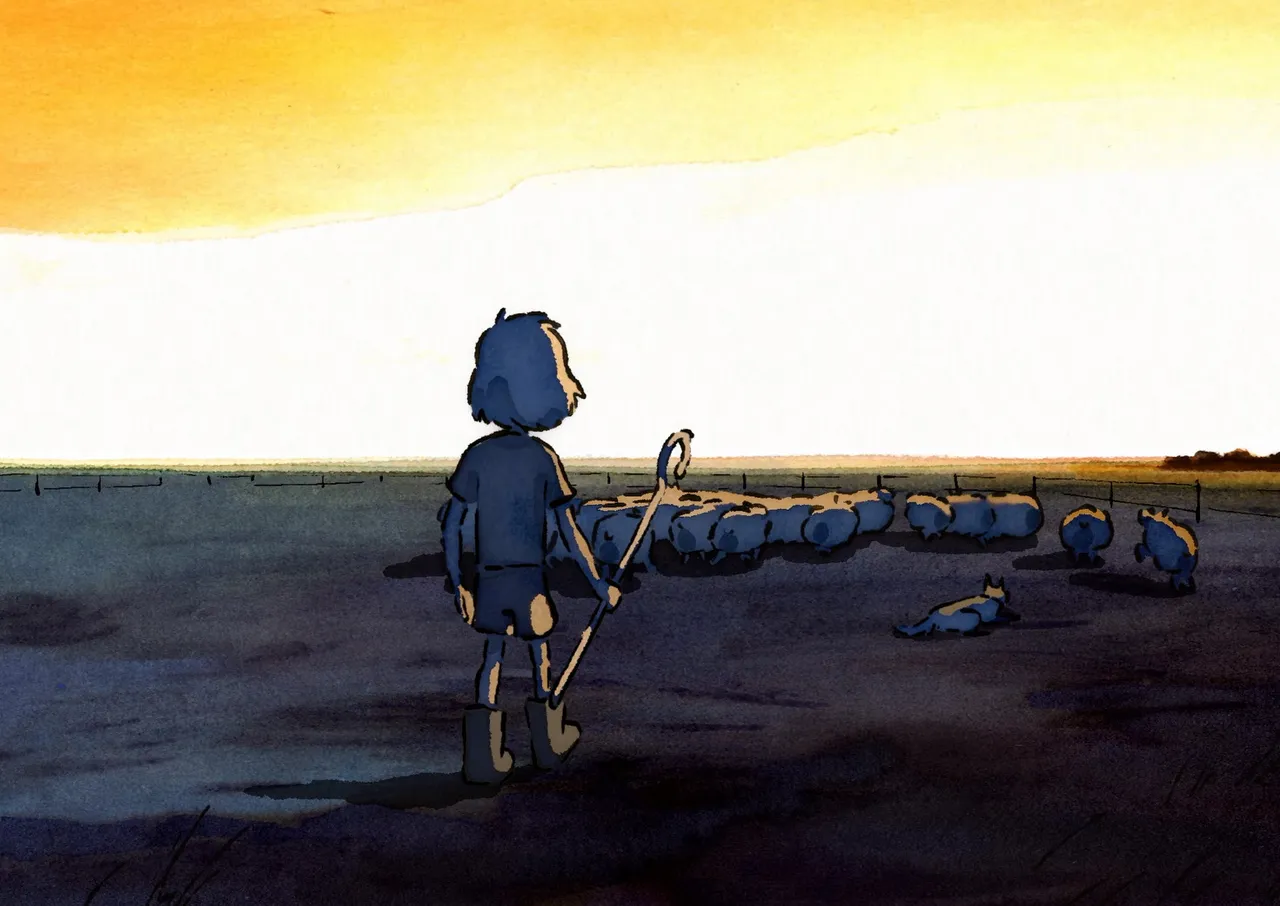
Does that sound too heavy for an animated film? Not at all. Le Corset is also a warm, funny and hopeful film. A whole family can watch it. Children will laugh at Christophe’s adventures; adults will recognise themselves in his father’s silence.
Who I’d recommend it to: People who love quiet, heartfelt films.
This English version was translated from the Turkish original with Claude.
Sources
- Le Corset press kit (Eddy Cinéma and KMBO): credits, running time 1 h 29 min, stillsaccessed 14 November 2026
- The Hollywood Reporter: Iron Boy (Le Corset) reviewaccessed 14 November 2026